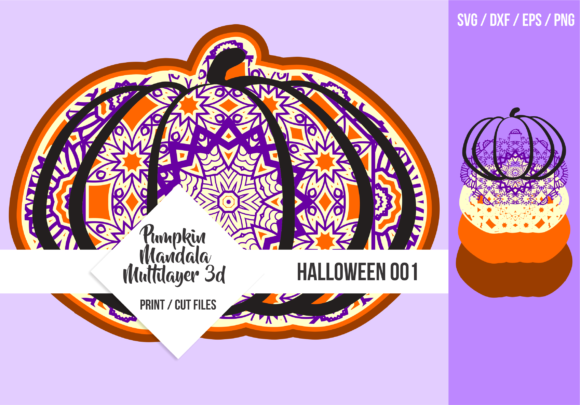
Mini Pumpkin 3D SVG for Seasonal Shapes and Creative Websites
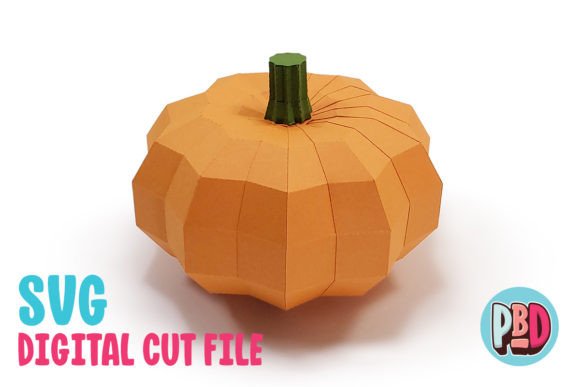
As a seasoned blog designer and digital publisher, I’m always on the lookout for graphic design assets that elevate content visuals without overwhelming them. When I first saw the Mini Pumpkin 3D Papercraft, I was instantly drawn to its clean lines, charming silhouette, and the subtle depth it brings to any composition. This is not just another seasonal shape—it’s a versatile editorial element with real publishing potential.
A Cozy, Seasonal Mood That Fits Many Niches
The Mini Pumpkin 3D Papercraft immediately sets a warm and inviting editorial mood. It feels handcrafted, yet polished—perfect for lifestyle blogs, food bloggers, home decor publishers, or anyone targeting a Fall audience. The pumpkin is stylized in a way that avoids being too childish or overly Halloween-themed, which means it can blend into more mature content like seasonal cooking guides, autumn wellness tips, or event promotions for harvest festivals.
This asset naturally supports niches such as seasonal content marketing, small business branding, and creative product launches. Its presence adds a touch of playfulness without sacrificing professionalism, making it ideal for websites that want to maintain a modern aesthetic while embracing the cozy vibe of the season.
Editorial Uses Across Blog and Website Content
One of the standout qualities of this design is its adaptability. Here are several ways I’ve integrated it into my workflow:
- Blog Featured Images: Placing the Mini Pumpkin in the corner of a hero image gives a sense of craft and creativity, especially when paired with a headline about DIY projects, seasonal recipes, or holiday planning.
- Pinterest Pin Design: With its strong visual contrast and 3D appeal, the pumpkin becomes an eye-catching focal point that invites clicks. Just overlay it with a bold title and CTA to boost engagement.
- Article Headers and Section Dividers: Used subtly between sections, the pumpkin helps create a natural visual rhythm and reinforces the theme of the post.
- Newsletter Banners: For email campaigns around Fall events, this asset adds a festive but elegant touch that aligns well with brand identity focused on warmth and community.
- Lead Magnets and Digital Guides: As part of a downloadable resource, like a printable Fall meal planner or a guide to hosting a harvest party, the pumpkin enhances perceived value and ties the design to the theme.
- Category Thumbnails: On content-heavy sites, using this asset as a background accent for a “Fall Decor” or “Seasonal Recipes” section improves category recognition at a glance.
- Canva Templates: Whether designing social media posts or website banners, the pumpkin works seamlessly in Canva templates, offering a cohesive look across all platforms.
Boosting Visual Hierarchy and Click-Through Potential
What makes the Mini Pumpkin 3D Papercraft particularly effective is how it contributes to visual hierarchy. In blog headers or social media previews, it acts as a visual anchor, drawing attention to the main message while maintaining balance with other elements. Its 3D nature allows it to stand out even in minimalist layouts, making it a great choice for content creators who prioritize clarity and simplicity in their web design.
When used in Pinterest pin design, the pumpkin enhances click-through potential by adding a tactile, dimensional feel that stands apart from flat graphics. Readers are more likely to engage with images that appear crafted or custom-made, especially in a competitive feed where originality matters.
Consistency and Brand Identity
For brands aiming to build a consistent brand identity, this asset can be a valuable addition to your visual toolkit. It fits easily into a curated set of design elements that support a seasonal or lifestyle-driven editorial calendar. Whether you’re running an affiliate blog promoting Fall products or managing a digital marketplace listing, the pumpkin helps reinforce the creative and handmade aspects of your content pages.
I’ve found that using similar shapes—like leaves, scarecrows, or gourds—in tandem with the Mini Pumpkin builds a stronger visual identity over time. These small touches help readers recognize your brand quickly and associate it with quality content marketing.
Performance Considerations for Real Publishing Projects
While the Mini Pumpkin looks great visually, it’s important to consider performance. File size is manageable for most web use cases, but I always recommend optimizing SVG files before embedding them on live websites. For raster versions intended for printables or digital downloads, ensure proper compression to keep load times low without losing detail.
Another key factor is how the pumpkin interacts with text. Test it with different font styles—serif, sans serif, script, handwritten, and display fonts—to find the best match for your site’s typography. I’ve noticed that pairing it with a slightly decorative serif font creates a nice contrast for article headers, whereas a bold sans serif works better for newsletter titles or lead magnets.
Also, confirm whether the design comes with a commercial license before using it on monetized websites, affiliate pages, or paid digital download products. Licensing clarity is essential to avoid future issues, especially if you plan to include it in media kits or sell themed resources.
Where It Shines and Where to Be Cautious
Here are some specific areas where the Mini Pumpkin 3D Papercraft performs exceptionally well:
- Hero Images: Use it as a floating accent or layered beneath a gradient for added texture.
- Article Thumbnails: A thumbnail featuring the pumpkin against a soft Autumn palette gains more traction than generic stock photos.
- Social Media Previews: Especially on Instagram and Facebook, the pumpkin adds charm and relevance to seasonal stories or posts.
- Content Upgrades: Include it in printable PDFs or worksheets to make your freebie feel thoughtful and professional.
- Downloadable Resources: From checklists to planners, the pumpkin elevates the visual appeal of your offerings, increasing conversion rates.
However, there are situations where this asset may not be the best fit. Avoid using it in:
- Small Mobile Thumbnails: The intricate details may become pixelated or lost in smaller formats.
- Text-Heavy Blog Images: If your header includes a lot of copy, the pumpkin could distract rather than enhance the message.
- Low-Contrast Backgrounds: The design relies on clear differentiation to pop—so test it on darker or lighter tones to ensure visibility.
- BUSY Layouts: In designs with many overlapping elements, the pumpkin might get buried or confuse the visual hierarchy.
- Corporate or Minimalist Sites: While it’s stylish, it doesn’t align with ultra-modern or serious professional aesthetics unless styled very carefully.
Practical Tips for Integrating Into Your Workflow
Before finalizing any layout, I suggest doing a few quick tests:
- Preview the design on both desktop and mobile screens to ensure scalability.
- Place it beside your existing fonts to see if it complements or clashes with your style.
- Try a black-and-white version to assess its impact in grayscale scenarios (especially useful for print).
- Check readability when overlaid with headlines or body text—adjust positioning or opacity if needed.
- Review file sizes and optimize for faster loading on content-heavy websites.
These steps will help you determine how effectively the pumpkin integrates into your overall editorial design strategy. Once optimized, it becomes a powerful tool in your arsenal for creating engaging and cohesive blog graphics.
Final Thoughts on Using Mini Pumpkin 3D Papercraft in Content Publishing
In my experience, the Mini Pumpkin 3D Papercraft is one of those rare graphic design assets that feels both fresh and timeless. It adds just enough character to make your website visuals memorable without becoming a distraction. Whether you're crafting a Fall-themed digital guide, designing a new line of printable designs, or enhancing your social media graphics, this pumpkin offers a unique edge that separates your content from the crowd.
Its Shapes and 3D SVG format give you flexibility in scaling and layering, which is crucial for responsive web design. But what really stands out is how it communicates warmth, creativity, and authenticity—key traits for building reader trust and encouraging deeper engagement with your content.
If you’re looking for a way to add subtle seasonal flair to your blog or website, the Mini Pumpkin 3D Papercraft is a smart investment. Just remember to test, optimize, and align it with your brand voice for the best results.