Animal Mandala T-REX 3D Embroidery Review
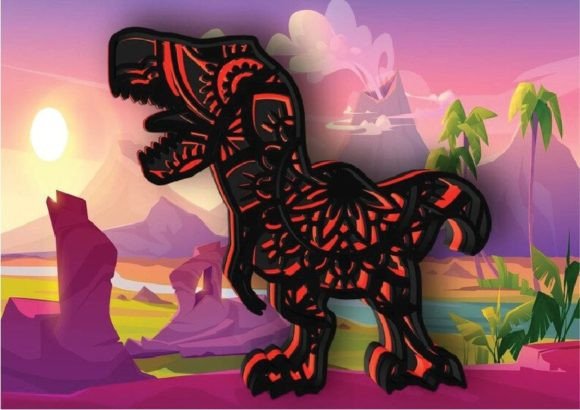
I have spent years reviewing machine embroidery designs, testing everything from delicate floral scripts to bold, graphic logos. Most digital files promise the world but fail when they hit the hoop. Today, I am looking at a unique entry: Animal Mandala ,T-REX , Dinosaur , 3d. At first glance, the title suggests a playful, layered aesthetic, and the description hints at a specific construction method involving four distinct layers for laser cutting and gluing.
This is not a standard satin stitch file you would slap onto a t-shirt. It falls into the Shadow Boxes category with a focus on Laser Cutting. However, as an experienced designer, I often find myself wondering how these concepts translate to actual stitching projects or hybrid handmade goods. Can this design work as a true embroidery piece? How does it perform in a real-world scenario like a custom boutique product?
First Impressions and Design Personality
The moment I opened the file structure of Animal Mandala ,T-REX , Dinosaur , 3d, the mood was immediately established. It screams "modern craft" and "quirky decor." The mandala element suggests symmetry and intricate detail, while the T-Rex theme adds a pop of personality that appeals to dinosaur enthusiasts and children alike. The mention of a "3D" effect in the title is intriguing; usually, this implies depth created through layering or shadow effects.
The description states the design consists of 4 layers. This is a crucial detail. In traditional embroidery, we might interpret this as separate color stops, but here, the instruction to cut each layer with a laser cutter and glue them together points toward a mixed-media approach. This isn't just about thread; it is about building a physical object. The ability to change the color and size without losing quality is a massive plus for digital embroidery file sellers who need versatility for different product mockups.
Visually, the design feels robust. It has the visual weight required for statement pieces. It doesn't look like something that belongs on a tiny baby bib unless scaled down significantly. Instead, it naturally gravitates toward larger surfaces where its complexity can breathe. The layout feels balanced, making it a strong candidate for embroidery project assets that need to stand out on social media or Etsy listings.
Real-Life Application: A Custom Boutique Scenario
Let's imagine a practical scenario. You are an Etsy seller preparing inventory for a holiday market. You want to create a high-value item that stands out from the mass-produced plush toys everyone else is selling. You decide to use Animal Mandala ,T-REX , Dinosaur , 3d to create a decorative wall hanging or a specialized tote bag accent.
Here is how the process might unfold. Because the design relies on four layers, you could laser cut the shapes from felt or sturdy cardstock using the provided vector paths. Then, instead of just gluing them flat, you could use machine embroidery to stitch the edges or add texture. For instance, you could run a satin stitch around the perimeter of the T-Rex layer to secure it to the background fabric, adding durability and a professional finish.
If you were to apply this to a tote bag design, the result would be striking. The mandala pattern provides a complex backdrop, while the T-Rex serves as the focal point. Customers browsing a shop would likely pause because the combination of geometric precision and prehistoric fun creates a memorable brand image. It elevates a simple canvas bag into a conversation starter.
For a sweatshirt embroidery project, you might adapt the concept. While you cannot glue layers onto a sweatshirt, you could use the design as a guide for applique. Cut the layers from contrasting fabrics, place them on the garment, and use a tight fill stitch to anchor them. The "3D" aspect becomes literal through the thickness of the fabric layers, creating a tactile experience that flat printing cannot match.
Where to Use (and Where to Be Careful)
While Animal Mandala ,T-REX , Dinosaur , 3d is versatile, it is not a one-size-fits-all solution. As a designer, I advise caution in specific situations. If you are working with a small hoop size, you must be very careful. The mandala details could become muddy if the design is too small relative to the fabric grain. Tiny corners of the mandala might get lost in the stitching, especially if the stitch density is too high.
Textured fabrics present another challenge. If you try to stitch this directly onto a heavy, nubby wool or a loose-knit sweater, the registration between the layers could shift. The design requires a relatively stable surface to maintain its geometric integrity. Thin fabrics like silk or chiffon are also risky unless heavily stabilized, as the tension required for the mandala elements could pucker the material.
Stretchy fabrics, such as those used for caps or fitted custom apparel, require extra attention. The curved surface of a hat can distort the symmetry of a mandala. If you are planning to sell embroidered patches using this design, ensure the backing is rigid enough to hold the shape, or the finished product will look floppy and unprofessional.
Furthermore, consider the washing requirements. If this design involves glued layers (as suggested by the laser cutting instructions), frequent washing might cause the adhesive to fail over time. For products like kitchen towels or aprons that see heavy use, relying solely on glue is risky. In these cases, you should prioritize heavy-duty stitching to secure the layers permanently.
Technical Notes for the Designer
Before you start producing your handmade product line, there are several technical steps you must take. First, always test the design on scrap fabric. Even though the file allows resizing, the relationship between the layers changes as you scale up or down. Check if the thread colors you intend to use provide enough contrast against the background fabric.
Review the stitch density carefully. Dense areas in a mandala can sometimes cause the needle to break or the fabric to bunch up if the stabilizer is insufficient. Make sure you are using the right type of stabilizer—likely a cut-away for stability given the potential weight of the layers.
Inspect the small details. When converting a laser-cut vector into an embroidery path, fine lines can disappear. Verify that the running stitch or satin stitch segments are long enough to be visible. It is also wise to create a black-and-white mockup to check the value contrast before committing to expensive threads.
If you plan to sell finished items or the digital product itself, confirm the licensing terms. Does the purchase allow for commercial use? Can you modify the layers for your own brand consistency? These questions are vital for any creative entrepreneur.
Final Verdict on Visual Appeal and Value
Animal Mandala ,T-REX , Dinosaur , 3d brings a fresh energy to the embroidery file market. It bridges the gap between digital art and physical craftsmanship. For craft business owners, this design offers a unique selling proposition: the ability to create mixed-media items that feel both modern and handcrafted.
The design enhances product value because it looks labor-intensive and thoughtful. Customers appreciate the effort behind a layered, textured piece. It builds customer trust by showing that the maker pays attention to detail. Whether used for holiday gifts, wedding gifts, or personalized products, this design has the potential to drive engagement and recognition for your brand.
In conclusion, if you are looking for a design asset that pushes beyond simple stitching, Animal Mandala ,T-REX , Dinosaur , 3d is a strong contender. Just remember to respect the limitations of the materials and the construction method. With the right execution, it can transform a simple project into a standout piece of commercial embroidery art.